

More stories
-
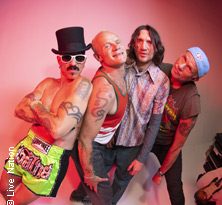
Red Hot Chilli Peppers Konzert in Wien 2023 – Tickets im Vorverkauf kaufen ab 09.12
Für alle Fans der Red Hot Chilli Peppers sowie für alle, die ein geniales Weihnachtsgeschenk für Fans der Red Hot Chilli Peppers suchen gilt es, sich JETZT den Termin für den Vorverkauf der Tickets für das Konzert 2023 im Wiener Ernst Happel Stadion zu notieren, um rechtzeitig Tickets im Vorverkauf für das Red Hot Chilli […] weiter lesen
-

Luke Mockridge – Trippy – Kabarett Termine 2023 – Österreich & Deutschland – Karten – Tickets kaufen
Wer ist Luke Mockridge? Luke Mockridge ist ein deutscher Comedian und Schauspieler. Er wurde am 22. Februar 1985 in Bonn geboren. Luke ist der Sohn des ehemaligen Politikers Richard Mockridge und der Fernsehjournalistin Sabine Heinrich. Er hat zwei jüngere Schwestern, Lea und Hanna. Mockridge ist verheiratet mit der Journalistin Stefanie Kahlert. Die beiden haben zwei […] weiter lesen
-

Weinschloss Koarl Thaller – Sektgeflüster 2022 – Eruption Winzer
Wir informieren über das Sektgeflüster 2022, das am 26.11.2022 am Weinschloss Koarl Thaller stattfindet. weiter lesen
-
Dorfgasteiner Ofenfest
Am 27.12.2022, werden ab 17.00 Uhr die Öfen angeheizt. Die Dorfgasteiner haben eine besonders schöne Art und Weise gefunden, ihren Gästen die Advent- und Weihnachtsstimmung näherzubringen. weiter lesen
-
Gastein Classics: Langlaufevent bei den Ski Claassics
Am 10. Dezember findet der Auftakt der 14. Saison der Ski Classics statt. Die Höhenloipe in Sportgastein auf 1.600 Meter Seehöhe, ist der ideale Austragungsort für die Gastein Classics. weiter lesen
-
Soul am See im Restaurant SEENSUCHT in Zell am See
SOUL am SEE: Absolutes stimmliches & kulinarisches VERGNÜGEN bei unserem nächsten Soul am See im Seehotel. weiter lesen
-
Innovative Mobility for Future Salzburg – Fachmesse für Mobilität
Elektrisierende Neuigkeiten für alle Interessentinnen und Interessenten nachhaltiger Mobilität: Nach der erfolgreichen Premiere im vergangenen Oktober wird die von den „Salzburger Nachrichten“ veranstaltete Innovative Mobility for Future Salzburg – kurz IMFS – auch im kommenden Herbst stattfinden. weiter lesen
-
Sundowner im Restaurant SEENSUCHT in Zell am See
NUR BEI SCHÖNWETTER Steaks, Beats and Summer Vibes erwarten Sie an folgenden Terminen ab 18:00 Uhr im Seehotel Bellevue. Auf der SEE LA VIE Terrasse mit faszinierendem Ausblick auf den Zeller See und das Kitzsteinhorn. Umrandet wird das Event Sundowner mit lässigen DJ – Sound weiter lesen
-
2. Mariahilfer Jazz & Genusstag
2. Mariahilfer Jazz & Genusstag, am Donnerstag, den 2. Juni 2022, 16:00-19:00 weiter lesen
-
WAMP Designmarkt // Summer Edition
Internationaler Designmarkt mit freiem Eintritt – Vorplatz des MuseumsQuartier Wien, Museumsplatz 1, 1070 Wien weiter lesen
-
Tattendorfer Großheuriger – Edler Genuss im Grünen
Erlesene Top-Weine aus der Thermenregion und herzhafte Winzerschmankerl sind am diesjährigen Tattendorfer Großheurigen vom 3. bis zum 16. Juni bei einem der schönsten Traditionsweinfeste Niederösterreichs zu genießen. Für Volksfeststimmung wird mit unterhaltsamen Themenabenden garantiert. weiter lesen
-
Your 80s Workout @ Club U
Your 80s Workout Freitag, 17. Juni ab 21h (Schönwetter) / 23h (Schlechtwetter) – Infos im FB-Event @ Club U (Künstlerhauspassage Objekt U26 / Otto Wagner Pavillon, 1010 Wien) weiter lesen
-
Anita Frech – „Epiphanie“ – Ausstellungseröffnung – Galerie Z
Anita Frech – „Epiphanie“ Ausstellungseröffnung Do 2. Juni 2022 | 19:30 Uhr weiter lesen
-

Veganmania Wien MQ 2022 – Vegan Summer Festival
Österreichs größtes Streetfood Festival – MuseumsQuartier Wien – Museumsplatz, Ecke Mariahilfer Straße – 1070 Wien weiter lesen
-
WAMP Designmarkt // Spring Edition – Wien
Titel der Veranstaltung: WAMP Designmarkt // Spring Edition Art der Veranstaltung: Internationaler Designmarkt mit freiem Eintritt weiter lesen
-
Homies CleanUp – Wir räumen den Müll in Salzburg auf
Der Homies Kulturverein lädt Salzburgs Bevölkerung ein, gemeinsam am 14. Mai 2022 Salzburg aufzuräumen, um gleichzeitig etwas für die lokale Musikförderung und den Umweltschutz zu tun. weiter lesen
-
Sommer Grätzel Jazz Simmering – Szene Wien
WO: Szene Wien, Gastgarten, Hauffgasse 26, 1110 Wien WANN: 11.06.2022 weiter lesen
-
DIDGE & BASS – Postgarage Graz
Didge and Bass kehrt zurück – Hypnotische Klänge und treibende Beats! Unvergesslich waren die zahlreichen Didge & Bass Liveshows von 2006 bis 2018, die eine ganze Generation begeisterten. Die kultige Eventreihe feiert nun am Freitag, 20. Mai 2022, ihr Revival in der Postgarage. weiter lesen
-
2010s Club @ Mon Ami – Party und Fortgehen in Wien – Feiern
2010s Club @ Mon Ami Freitag, 20. Mai 2022, ab 20h weiter lesen
-
JAZZ am DORNERPLATZ – Wiener Jazz und Genusstage – Jazzfest
Die Wiener Jazz & Genusstage sind das Wiener Jazzfest der Bezirke und feiern heuer ihr 10-jähriges Jubiläum – Bezirksjazztage direkt vor der Haustür der WienerInnen. weiter lesen
-
Rollin Dudes Festival – Cars, Bikes & Music – Route 69 – Leutschach
Rollin Dudes Festival – Cars, Bikes & Music Was: Rollin Dudes Festival Wann: 14-17.Juli 2022 Wo: Route 69, Leutschach Powered by: Murauer Bier * Kronen Zeitung * Peicher US-Cars weiter lesen
-
Mostpräsentation mit der Mostkönigin! – Gut Schlossberg Graz
Most-Spezialitäten der Familie Mausser im Portrait zum kennenlernen weiter lesen
-
Köstliches vom Fisch! – Gut Schlossberg – Graz
Der Fischkönig da selbst zaubert schmackhafte Fischgerichte weiter lesen
-
Erleben Sie „Die jungen WILDEN“ – Gut Schlossberg – Graz
Erfahren Sie alles rund um Ketchup, Gemüse und Co.! weiter lesen
-
Gutes vom Kürbis – Gut Schlossberg -Graz
Kürbishof Koller stellt sich und seine Kürbisleckereien vor weiter lesen
-
Gut gegen Nordwind – Theater – Komödie am Kai – Wien
Begeistertes Publikum im letzten Sommer – wegen des großen Erfolges wiederholen wir nur für kurze Zeit „Gut gegen Nordwind“! Einer der zauberhaftesten und klügsten Liebesdialoge der Gegenwartsliteratur! Daniel Glattauers Geniestreich ist nicht nur als Buch ein Bestseller. Die wunderbar komische eMail-Freundschaft zwischen Emmi und Leo ist auch auf der Bühne ein echter Genuss. Freuen Sie […] weiter lesen
-
INTERNATIONALE – KUNST – VERNISSAGEINTERNATIONALE – KUNST – VERNISSAGE 2022
FRISCHLUFT – BENEFIZ – ZUSAMMENKUNFTFRISCHLUFT – BENEFIZ – ZUSAMMENKUNFT Sonntag, 15. Mai 2022 ab 17:00 Uhr weiter lesen
-
Puppenoperntheater: DRAKULA – Jugenstiltheater – Klagenfurt
Art der Veranstaltung: Figurentheater, Oper, Name der Location und genaue Adresse:Jugendstiltheater, Goethepark 2, 9020 Klagenfurt weiter lesen
-
90ies Club @ The Loft – Party in Wien – Fortgehen
Samstag, 28. Mai 2022, ab 21:50h @ The Loft, Lerchenfelder Gürtel 37, 1160 Wien (U6 Thaliastraße) weiter lesen
-
Jazz & Genusstag Rudolfsheim – Wiener Jazz und Genusstage – Wiener Jazzfest
Die Wiener Jazz & Genusstage sind das Wiener Jazzfest der Bezirke und feiern heuer ihr 10-jähriges Jubiläum – Bezirksjazztage direkt vor der Haustür der WienerInnen. Mit dem 1. Jazz & Genusstag Rudolfsheim ist der 15. Bezirk heuer erstmals dabei, und die Reindorfgasse wird zum swingenden Open-Air Jazzclub. weiter lesen
-

ABBA – ABALANCE The Show – Termine
In einer abendfüllenden Show vereint „ABALANCE“, eine der dienstältesten ABBA-Revival-Bands, die Musik und Geschichte der legendären Schweden „ABBA“ generationsübergreifend begeisternd. weiter lesen
-
Bio Hofkäserei Deutschmann – Gut Schlossberg – Graz
Wann: 17. Mai 2022, 17:00-18:00 Uhr, Einlass 16:30 Uhr weiter lesen
-
Gut Schlossberg – Distelberger Genuss Bauernhof
Wann: 27. Mai 2022, 17:00-18:30 Uhr, Einlass 16:30 Uhr weiter lesen
-
Liwûna und Kaidôh – Tanz & Schauspiel – Ventil – Klagenfurt
Theater / Tanz – VENTIL, Kardinalplatz 1, 9020 Klagenfurt/Celovec weiter lesen
-
Elvean LIVE // 2020s Club @ Loop – Wien
Freitag, 27. Mai 2022 ab 20h, Band on stage 21h, DJ Line ab ca 23h weiter lesen
-
Klavierabend im Mozarthaus Vienna
1010 Wien, Domgasse 5 Werke von Wolfgang Amadeus Mozart, Joseph Woelfl und Ludwig van Beethoven weiter lesen
-
Klänge 23 – Spanische Kunst & Flamenco Tanz – Kulturverein Wien
Die Konzertreihe „Klänge 23″ bringt uns an diesem Abend die spanische Kunst und ihren Facettenreichtum näher. Erleben Sie die feurige, andalusische Gitarre, die berührende Stimme der Klassik und den temperamentvollen Flamenco Tanz von Sandra La Chispa. Genießen Sie Klassik und Flamenco neu arrangiert von Flaco de Nerja und Katrin Auzinger. weiter lesen
-
Orgel und Kaffee – David Gomolla – Pfarrkirche Meidling – Wien
Orgel und Kaffee – Eine Tasse Kaffe, gute Musik, was kann schöner sein. weiter lesen
-
LEVEL UP – The Gaming Festival – Salzburg
LEVEL UP – The Gaming Festival Datum: 1. Juli 12:00 – 01:00 Uhr Juli 9:00 – 2:00 Uhr Ort: Messezentrum Salzburg, Am Messezentrum 1, 5020 Salzburg weiter lesen
-
Eröffnungsfeier / otvoritvena zabava – VENTIL – Klagenfurt
Einladung zur Eröffnung von VENTIL in Klagenfurt – neuer Kulturraum! weiter lesen
-
2000s Club @ The Loft – Party in Wien – Fortgehen – Feiern
2000s Club @ The Loft Samstag, 21. Mai 2022, ab 21:50h @ The Loft, Lerchenfelder Gürtel 37, 1160 Wien (U6 Thaliastraße) weiter lesen
-
Schilcher Koller Wein Präsentation – Gut Schlossberg – Graz
Wo: Gut Schlossberg 3, 8010 Graz Wann: 25. Mai 2022, 17:00-18:30 Uhr, Einlass 16:30 Uhr Wer: Schilcher Koller Wein weiter lesen
-
Gut Schlossberg – Erdbeerzeit – Graz
Wo: Gut Schlossberg 3, 8010 Graz Wann: 01. Juni 2022, 17:00 – 18:00 Uhr, Einlass um 16:30 Uhr weiter lesen
-
WEBINAR: LIVE KOCHEN mit Sebastian Copien – Entdecke die vegane Umami-Küche!
LIVE KOCHEN mit Sebastian Copien – Entdecke die vegane Umami-Küche! weiter lesen
-
Wikam – KUNST IM SCHLOSS LAXENBURG – 74. NÖ Kunst- und Antiquitätenmesse
KUNST IM SCHLOSS LAXENBURG Die 74. NÖ Kunst- und Antiquitätenmesse im Schloss Laxenburg ist ein Treffpunkt für Kunstliebhaber und Sammler. Geboten werden Exponate vergangener Jahrhunderte und zeitgenössische Kunst. weiter lesen
-
90ies Club @ The Loft – Party & Fortgehen in Wien – Wo ist heute was los?
90ies Club @ The Loft Samstag, 14. Mai 2022, ab 21:50h @ The Loft, Lerchenfelder Gürtel 37, 1160 Wien (U6 Thaliastraße) weiter lesen
-
GANGSTAS of SOUL – Live Ukraine-Benefizkonzert NACHBAR IN NOT
WO: Livingroom GmbH Bayerhamerstraße 18 5020 Salzburg weiter lesen
-
Einkochen und Sirup Herstellung – Maurer’s Fruchtmanufaktur – Graz
Wo: Gut Schlossberg 3, 8010 Graz Wann: 22. Mai 2022, 14:00 – 15:00 Uhr, Einlass um 13:30 Uhr Wer: Maurer´s Fruchtmanufaktur weiter lesen
-
Noom Kreativbrauerei – Biere – Präsentation in Graz
Wo: Gut Schlossberg 3, 8010 Graz Wann: 20. Mai 2022, 17:00 – 18:30 Uhr, Einlass 16:30 Uhr Wer: Noom Kreativbrauerei weiter lesen
-
Manna´s Spirits Manufaktur – Herstellung & Sorten – Graz
Wo: Gut Schlossberg 3, 8010 Graz Wann: 19. Mai 2022, 17:00 – 18:30 Uhr, Einlass um 16:30 Uhr Wer: Manna´s Spirits Manufaktur weiter lesen